How to Budget on a UAE Salary: 50/30/20, Adapted
-
The classic 50/30/20 rule (50% needs, 30% wants, 20% savings) needs adapting in the UAE: rent arrives in 1 to 4 large cheques, school fees in termly lumps, and many residents remit money home monthly.
-
A UAE-adapted split for families is closer to 55/25/20, with a dedicated "sinking fund" for rent and school instalments.
-
Treat remittances honestly: money sent to support family is a need; money sent to savings or property back home is part of your 20%.
-
With no income tax and no auto-enrolled pension, your 20% is your pension; automate it on salary day.
-
On AED 25,000 per month, that means AED 13,750 needs, AED 6,250 wants, AED 5,000 saved or invested, every month.
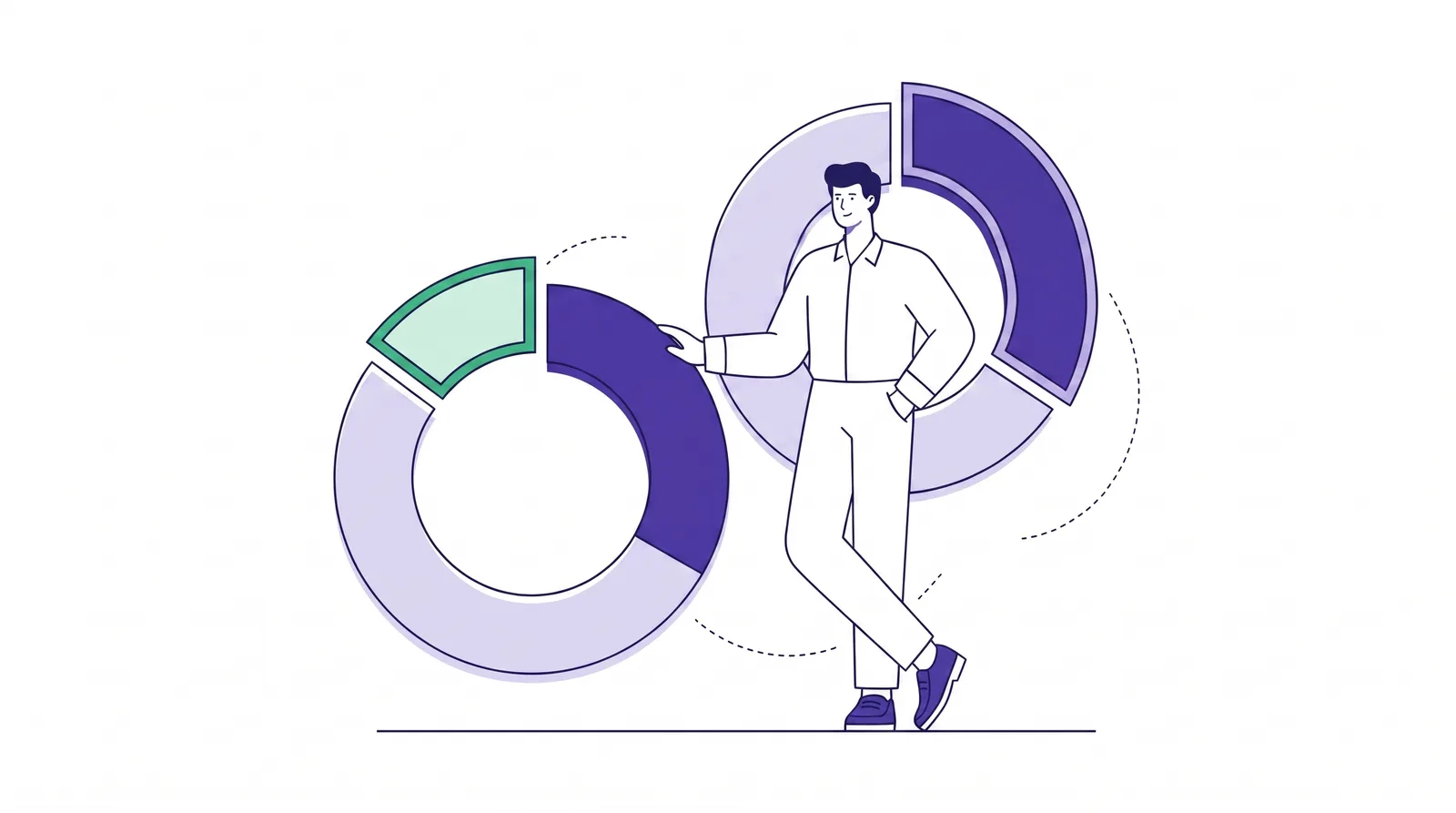
The 50/30/20 rule says: spend at most 50% of income on needs, 30% on wants, and put 20% into savings and investments. It works in the UAE, but only after you adapt it for three local realities: rent paid in a few large cheques, school fees charged per term, and remittances. Here is the UAE version, with a worked example.
Why does 50/30/20 need adapting for the UAE?
Three structural differences break the naive version of the rule:
-
Rent cheques. UAE landlords typically take 1 to 4 post-dated cheques for the year. Your rent is not a smooth monthly expense; it is a few five-figure withdrawals. A bounced rent cheque is serious in the UAE, so the cash must be sitting there before the date.
-
School fees. Fees are billed per term (usually 3 instalments), often with a re-enrolment deposit in spring. A family paying AED 60,000 a year for two children faces AED 20,000 hits, not AED 5,000 months.
-
Remittances. Many UAE residents send 10 to 30% of income home. Some of that is family support (a need), some is savings in another country (part of your 20%). Mixing them up is the most common UAE budgeting error.
There is a fourth difference in your favour: no income tax. Your gross is your net, so a disciplined 20% savings rate builds wealth faster here than almost anywhere. It has to, because as an expat nothing is being saved for you automatically: no state pension, and an end-of-service gratuity that is much smaller than people assume.
What does the UAE-adapted 50/30/20 look like?
Keep the three buckets, but define them in UAE terms and add a sinking fund:
| Bucket | Share | What goes in it (UAE version) |
|---|---|---|
| Needs | 50-55% | Rent (1/12 of annual rent, every month), housing fee, utilities, groceries, school fees (1/12 of annual cost), transport, insurance top-ups, family-support remittances, minimum debt payments |
| Wants | 25-30% | Dining out, entertainment, travel, upgrades (bigger car, nicer area than needed), subscriptions, domestic help beyond necessity |
| Savings | 20% | Emergency fund, investments, extra debt paydown, remittances that fund savings or property back home |
The mechanism that makes it work is the sinking fund: every month, transfer 1/12 of your annual rent and 1/12 of annual school fees into a separate account, ideally one that pays interest or profit (compare options in best savings accounts in the UAE). When the rent cheque or term invoice lands, the money is already there. You are converting lumpy UAE costs back into the smooth monthly costs the 50/30/20 rule assumes.
Worked example: 50/30/20 on an AED 25,000 salary
A family on AED 25,000 per month, renting at AED 84,000 per year with one child in a AED 24,000 school:
-
Needs (target AED 13,750): rent sinking fund AED 7,000 + housing fee AED 350 + school sinking fund AED 2,000 + utilities and internet AED 1,300 + groceries AED 2,500 + fuel and Salik AED 700 = AED 13,850. On target.
-
Wants (target AED 6,250): dining and entertainment AED 2,500 + travel fund AED 1,500 + car upgrade instalment AED 1,500 + subscriptions and gym AED 500 = AED 6,000.
-
Savings (target AED 5,000): AED 1,000 to the emergency fund until it holds 3 to 6 months of needs, then AED 3,000 to a monthly index-fund plan (see how to invest monthly from your salary) and AED 1,000 remitted to a home-country investment account, sent the cheap way (see the cheapest way to send money from the UAE).
Set the transfers to fire the day after salary lands. What remains in the current account is genuinely spendable. The UAE budget calculator automates exactly this structure, including rent cheques, school terms and remittances, and gives you a safe-to-spend number.
What if needs already exceed 50% of your income?
Common in single-income families, and usually a structural problem, not a discipline problem. In order of impact:
-
Rent. Moving one community outward, or one emirate over, can cut rent 20 to 50%; see the numbers in Dubai vs Abu Dhabi vs Sharjah. At renewal, check whether your landlord's increase is even legal with the RERA rent increase calculator.
-
School. A KHDA "Very Good" school at AED 30,000 often outperforms a "Good" school at AED 60,000. Switching saves AED 2,500 per child per month.
-
Car. Two financed cars on one income is the classic UAE budget killer. One car plus metro/taxis usually wins.
If needs still exceed 65% after those three, the salary does not support the household structure; benchmark against what salary you need to live in Dubai before the shortfall becomes credit card debt.
FAQ
Does 50/30/20 work on a low UAE salary?
Below roughly AED 8,000 per month, fixed costs dominate and 20% savings may be unrealistic. Flip the rule: protect a small automatic savings amount first (even AED 300 to 500), cap needs however you can (shared housing, no car), and let wants take the squeeze. The habit matters more than the percentage.
Should remittances count as savings?
Only if the money stays yours: deposits, investments or property in your name back home count toward your 20%. Money that supports parents or relatives is a need. Label the two separately or your real savings rate will look healthier than it is.
Where should the 20% actually go in the UAE?
Sequence: 1) emergency fund of 3 to 6 months of needs in an instant-access account, 2) clear any credit card debt (at 2.5 to 3% per month it outruns any investment), 3) automated monthly investing in low-cost funds, 4) optional extras such as home-country property or pension top-ups.
How do I budget for the annual rent cheque?
Divide annual rent by 12 and move that amount into a separate account every month, starting the month you sign. If your landlord takes 4 cheques you need a quarter of the rent ready every 3 months; with 1 cheque you need the full year ready at renewal, which is exactly what the sinking fund builds.
Related reading
Sources and References
-
ReloDXB, Dubai salary guide 2026; household budget benchmarks used for the needs/wants split (relodxb.com)
-
KHDA, Knowledge and Human Development Authority; school fee structure and termly billing practice in Dubai (khda.gov.ae)
-
Dubai Land Department / RERA, Decree 43 of 2013; rent increase caps relevant to renewal decisions (dubailand.gov.ae)
-
DEWA, Dubai Electricity and Water Authority; the 5% housing fee billed monthly with utilities (dewa.gov.ae)
This article is for general information and does not constitute financial advice. Costs, fees and account terms change frequently, so always confirm current figures with your landlord, school, bank and service providers before setting your budget.
Published on 9 September 2026.