Crypto Scams in the UAE: How to Spot Unlicensed Platforms
-
The single most reliable scam filter: if the platform or "broker" is not on the VARA, SCA, ADGM FSRA or DFSA public register, do not send money.
-
Guaranteed returns are the giveaway; anyone promising fixed monthly profits from crypto trading is running a scheme, not an investment.
-
The most damaging pattern in the UAE is the "pig butchering" romance/friendship scam, built up over weeks before the fake platform appears.
-
Recovery scams are the second hit: "agents" who promise to retrieve your lost crypto for an upfront fee.
-
If scammed, act fast: report to your bank, the platform, and police eCrime channels; do not pay anyone who promises recovery.
-
Regulators publish alerts and fine unlicensed operators, but they cannot refund losses to firms they never licensed.
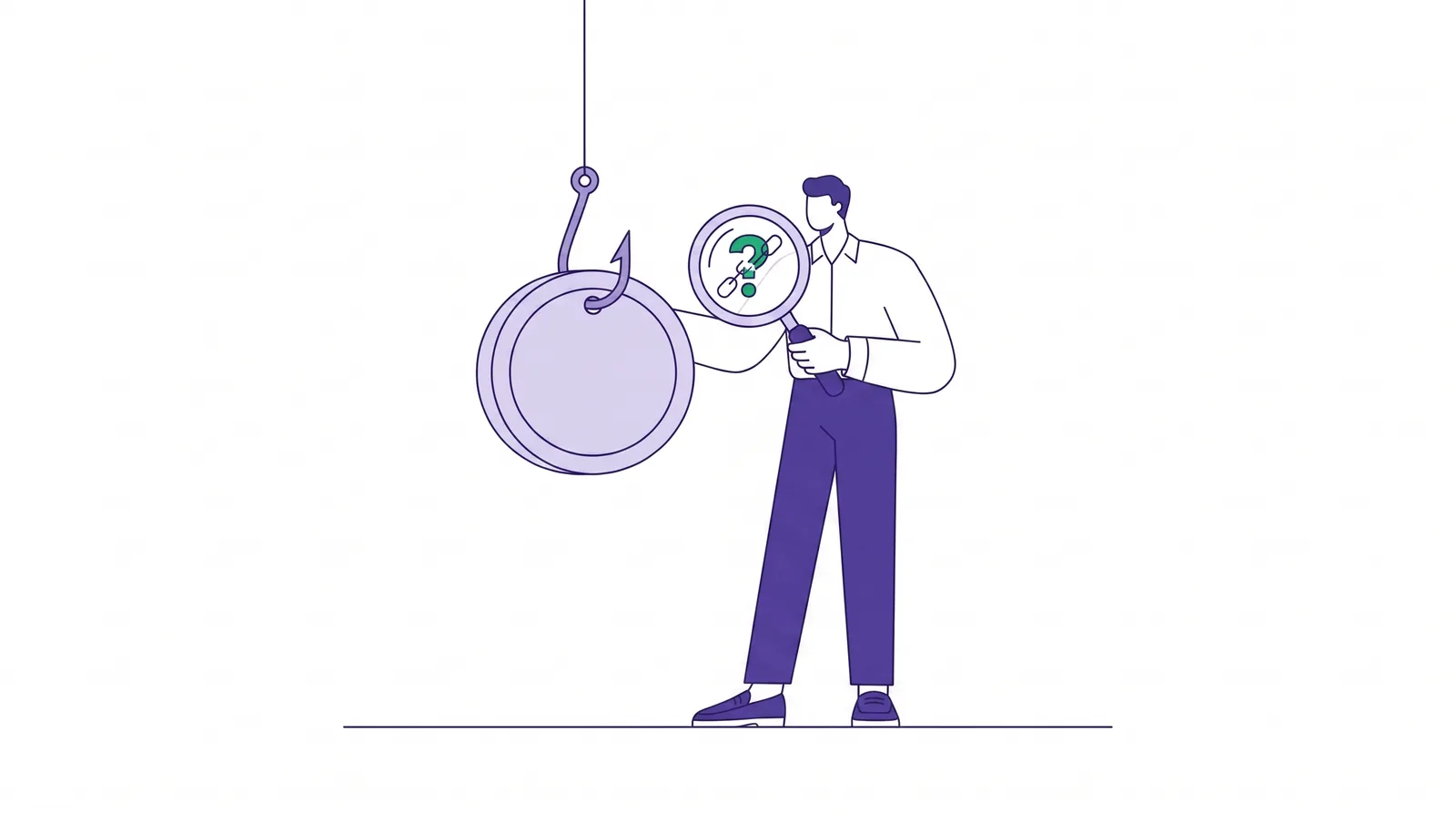
Most crypto losses in the UAE do not come from Bitcoin falling. They come from fake platforms, fake brokers and fake profits, and nearly all of them fail one simple test: the operator does not appear on any UAE regulator's public register. The UAE now has four registers you can check in minutes (VARA, SCA, ADGM FSRA, DFSA), which makes verifying legitimacy easier here than in most countries. This guide shows how to run the checks, the scam patterns targeting UAE residents in 2026, and what to do if money has already gone.
How do you check if a crypto platform is licensed in the UAE?
Five minutes of checking beats months of regret:
-
VARA (Dubai): open the public register on vara.ae and search the firm's legal name. The entry shows licence category and status. "In-principle" or "provisional" means the firm cannot fully serve retail clients yet.
-
SCA (federal): check the SCA's lists of approved virtual asset platforms on sca.gov.ae for firms serving the UAE outside Dubai and the financial free zones.
-
FSRA (ADGM): the ADGM public register at adgm.com shows each firm's Financial Services Permission and the exact activities allowed.
-
DFSA (DIFC): the DFSA public register at dfsa.ae covers DIFC firms and lists recognised crypto tokens.
Three details matter: match the exact legal entity name (scammers clone big brands with lookalike names and domains), confirm the licence covers the service offered to you (a firm licensed for advisory cannot take your trading deposits), and check the status is active, not withdrawn or in-principle. If a platform claims a UAE licence but you cannot find it on any register, that claim is itself the red flag. For background on who regulates what, see crypto regulation in Dubai vs ADGM vs the SCA.
What are the most common crypto scam patterns in the UAE?
The pig-butchering investment scam
The costliest pattern. It starts with a friendly message (wrong number, social app, dating platform), builds trust over weeks, then introduces "an investment platform my uncle uses". The platform is a fake website showing fake profits. You can even withdraw small amounts early, which is bait. Once the deposit is large, withdrawal requires "taxes" or "fees", then the site vanishes. Victims in the UAE have lost six and seven figure dirham amounts this way.
The guaranteed-return trading scheme
"AED 5,000 becomes AED 6,000 every month, guaranteed. Our AI bot never loses." No legitimate firm can promise fixed returns from crypto trading, and licensed UAE platforms are prohibited from marketing this way. A promise of guaranteed profit is a confession of fraud. Anyone showing you a worked example like "deposit AED 50,000, receive AED 10,000 monthly" is describing a Ponzi structure in which early payouts come from later victims' deposits.
The fake broker or "account manager"
Someone offers to trade for you, often with screenshots of wins, and asks for deposits to their personal wallet or a platform they control, or asks you to install remote-access software. Licensed firms never trade retail client money through personal wallets and never cold-call on WhatsApp or Telegram.
The clone platform
A perfect copy of a real exchange's website or app, one letter off in the domain. Your login credentials or deposit go to the scammer. Always type exchange URLs yourself and download apps only from official stores; more on this in how to buy crypto safely in the UAE.
The recovery scam
After a loss, "recovery agents" appear in comment sections and DMs promising to retrieve your funds for an upfront fee. This is round two of the same scam, sometimes run by the same people. No legitimate service recovers stolen crypto for an advance payment.
What are the red flags in one list?
-
Guaranteed or fixed returns of any size
-
Pressure to act today; "the opportunity closes tonight"
-
First contact came from them, not you
-
Payment to a personal wallet address or an individual's bank account
-
Not on any UAE regulator's register, or dodges the question
-
Withdrawal requires paying a fee, tax or "unlock" charge first
-
Profits visible on their dashboard but never in your bank account
-
Requests for remote access to your phone or laptop
Any single item on this list is enough reason to stop. The same instincts protect you across all financial apps; see are money apps safe in the UAE?.
What should you do if you have been scammed?
Speed matters more than embarrassment. In order:
-
Stop all contact and payments. Especially any "final fee to release funds". That money is gone the moment you send it.
-
Call your bank immediately if you paid by card or transfer. Ask for a recall or chargeback; the odds are best within hours.
-
Report to the real platform if your crypto was transferred from a licensed exchange, with transaction hashes. Exchanges can flag destination addresses.
-
File a police report. In Dubai, use the Dubai Police eCrime platform or app; in Abu Dhabi and other emirates, the local police cybercrime channels. A report is also essential paperwork for bank disputes.
-
Alert the regulator. VARA, the SCA and the FSRA accept complaints and publish warnings; your report can trigger action against operators targeting other residents.
-
Preserve evidence: chat logs, wallet addresses, transaction IDs, website URLs, payment receipts. Screenshot before the scammer deletes.
Be realistic: crypto sent to a scammer's wallet is rarely recovered. That is exactly why the licensing check before sending money is worth so much, and why scam-proofing your finances starts with never investing money you cannot afford to lose. If a pitch is tempting because your savings feel behind, fix the plan instead: the retirement gap calculator shows what regular, boring investing achieves without anyone guaranteeing you anything, and how beginners can start investing in the UAE covers the legitimate route.
FAQ
How do I verify a crypto platform is legit in the UAE?
Search the platform's exact legal name on the public registers of VARA (vara.ae), the SCA (sca.gov.ae), ADGM's FSRA (adgm.com) or the DFSA (dfsa.ae). Confirm the licence is active and covers trading and custody. If it appears on none of them and still solicits UAE customers, treat it as unlicensed.
Can I get my money back after a crypto scam in the UAE?
Sometimes, if you paid by bank card or transfer and act within hours, your bank may recall or dispute the payment. Crypto transferred on-chain to a scammer is rarely recoverable. Police reports and regulator complaints matter for investigation and for documenting the loss, but no authority can refund losses at firms it never licensed.
Are crypto scams illegal in the UAE even if the scammer is abroad?
Yes. Fraud and unlicensed financial promotion targeting UAE residents are offences regardless of where the operator sits, and UAE authorities do pursue cross-border cases. Practically, though, prosecution abroad is slow, which is why prevention beats remedy.
Someone on WhatsApp says they work for a licensed exchange. How do I check?
Licensed exchanges do not solicit investments through personal WhatsApp or Telegram messages. Hang up on the conversation, contact the exchange only through the official app or website support channel, and verify anything they supposedly offered. Impersonating licensed firms is one of the most common approaches.
Related reading
Sources and References
-
Virtual Assets Regulatory Authority (VARA); public register of licensed VASPs, licence categories and enforcement against unlicensed operators (vara.ae)
-
Securities and Commodities Authority (SCA); federal virtual asset platform approvals and investor warnings (sca.gov.ae)
-
Abu Dhabi Global Market, FSRA; public register and Financial Services Permissions for virtual asset firms (adgm.com)
-
Dubai Financial Services Authority (DFSA); DIFC public register and recognised crypto tokens (dfsa.ae)
-
Dubai Police; eCrime platform for reporting online financial fraud (dubaipolice.gov.ae)
This article is for general information only and does not constitute financial or legal advice. Virtual assets are high risk: prices are volatile and you can lose your entire investment. Scam methods and platform licensing statuses change constantly, so always verify any firm on the relevant regulator's public register (VARA, SCA, ADGM FSRA or DFSA) before sending money, and seek professional advice if you have suffered a loss.
Published on 9 September 2026.