Early Settlement Fees on UAE Personal Loans: The 1% / AED 10,000 Cap
-
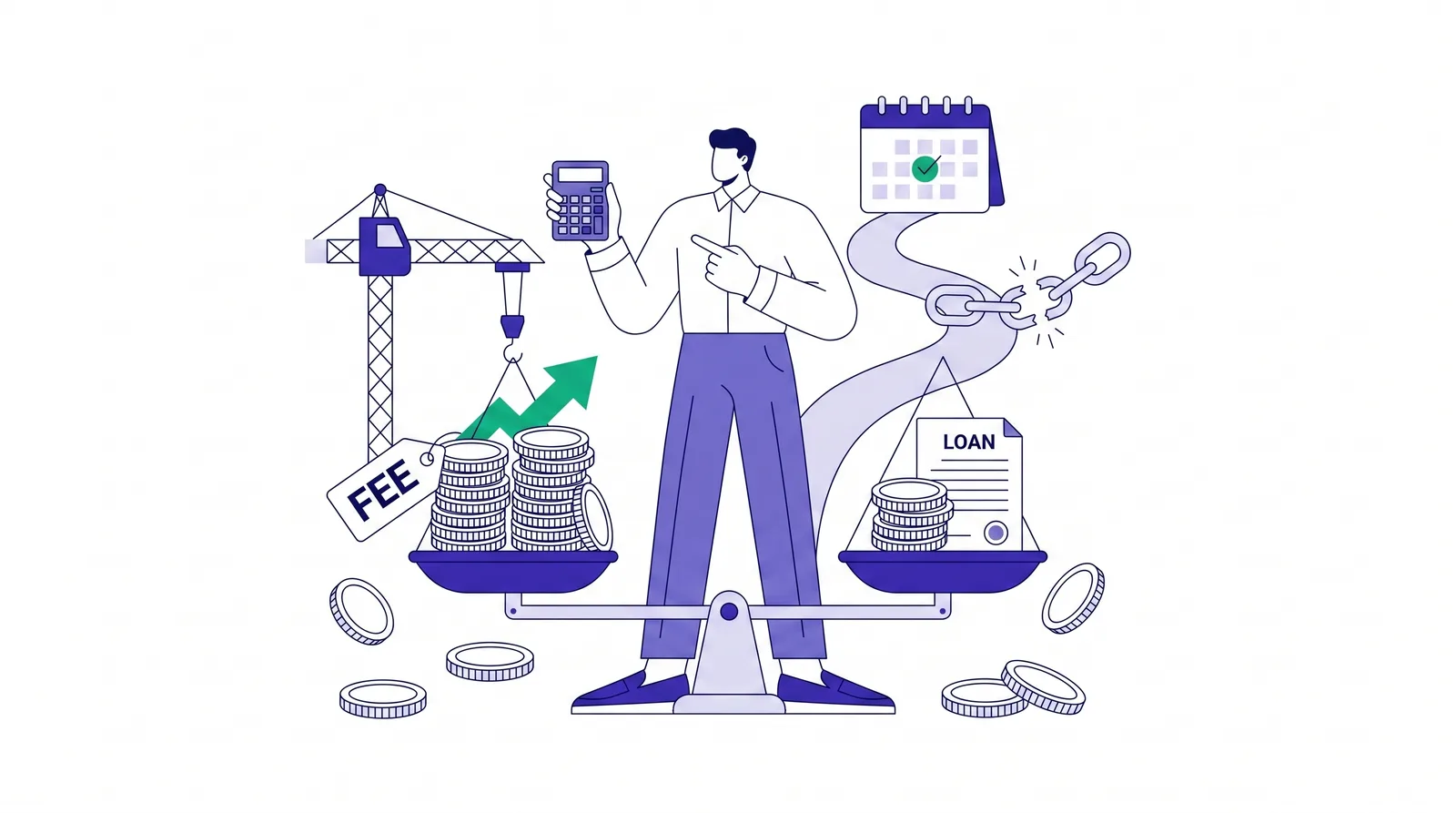
The fee is capped by regulation: early settlement of a personal loan costs at most 1% of the outstanding balance, capped at AED 10,000, whether you're paying it off yourself or a competing bank is buying it out.
-
Because UAE loans charge interest on a reducing balance, settling early genuinely saves interest; the fee is usually recovered within one to three months of avoided interest.
-
Get a settlement quotation and a liability letter from the bank, and after paying, confirm your AECB file shows the loan closed.
Early settlement is one of the few consumer-friendly corners of UAE lending, because the fee is capped and the interest mechanics work in your favour. Here's how to evaluate it correctly.
The regulatory cap
Under the CBUAE's amendments to Regulation 29/2011, a borrower may settle or transfer a personal loan against a fee of no more than 1% of the outstanding balance, with an absolute ceiling of AED 10,000. The same cap applies to loan buyouts, where a new bank repays your old loan and takes it over. Banks may charge less; they cannot charge more. If a quotation shows a larger figure, ask the bank to reconcile it with the CBUAE fee schedule in writing.
Why early settlement actually saves money here
UAE personal loans are required to charge interest on a reducing balance. Interest accrues only on what you still owe, so repaying principal early eliminates all future interest on that principal. There is no "you owe all the scheduled interest anyway" structure to worry about on compliant personal loans.
Worked example: AED 120,000 outstanding, 30 months remaining at 7% reducing. Remaining scheduled interest is roughly AED 11,300. Settling today costs a fee of 1% = AED 1,200. Net saving: about AED 10,100. The fee is recovered in roughly the first three months of avoided interest.
The general rule: the earlier in the loan you settle, the more you save, because interest is front-loaded in the schedule. Settling with three instalments left saves almost nothing and still incurs the fee.
Partial payments
You don't have to settle in full. Partial early payments reduce the outstanding balance, and the bank recalculates either your installment or your tenor. Fees on partial settlements follow the same capped logic on the amount prepaid. If you have expensive card debt, though, spare cash belongs there first, as covered in personal loan vs credit card: which to clear first.
Islamic finance nuance
Murabaha and Tawarruq structures fix a total profit amount upfront rather than accruing interest. Early settlement there works through a rebate (ibra') on the remaining profit, which banks customarily grant but at their discretion within CBUAE conduct rules. Ask for the rebate policy in writing before signing an Islamic personal finance contract if early exit matters to you.
The process, step by step
-
Request a settlement quotation: outstanding principal, accrued interest to date, and the fee, valid for a stated number of days.
-
Pay, then collect a clearance / no-liability letter. You'll need it for any future lender.
-
Verify your AECB file a cycle later: the loan should show closed with zero balance. Closed-but-still-showing-active is one of the most common credit report errors, and it silently eats your DBR headroom on the next application. If it shows wrong, dispute it; the file mechanics are in what hurts your AECB score.
When early settlement is the wrong move
If the cash would empty your emergency buffer, keep the loan; a 7% loan is cheap insurance against a 40% card balance appearing later. If you're settling in order to immediately borrow bigger elsewhere, run the numbers first with the DBR & Loan Affordability Calculator, and note that buyout-plus-top-up offers must still fit the 50% DBR and 48-month rules; if a proposal only works by stretching past those limits, it isn't compliant and won't survive underwriting.
Sources and References
-
CBUAE Rulebook, Regulation No. 29/2011 and amendments, Article 20(b) and Annexure of maximum fees (rulebook.centralbank.ae)
-
CBUAE Rulebook, Clarifications and Guidelines Manual for Regulation 29/2011 (rulebook.centralbank.ae)
This article is for general information and does not constitute financial advice.